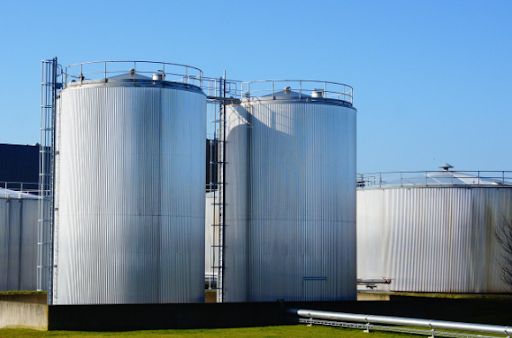
A septic tank is an underground, watertight container. It is made of concrete or plastic (depending on where you’re going to use it).
These tanks are widely used to treat domestic wastewater on-site in areas that are not connected to a municipal sewer system. As wastewater flows from a home into the tank, it separates into distinct layers within the chamber. The partition wall traps scum and sludge inside while allowing the liquid effluent to flow out of the tank.
What Septic Tank Pumping Is
Inside the tank, heavy solids sink to the bottom, oils and greases float to the top, and the treated liquid sits in the middle. Septic tank pumping is the process of removing these from the tank by using a specialized vacuum truck.
A licensed technician opens the main access manhole and then uses a large-diameter vacuum hose to suction out the solid and liquid layers. They also check the inlet and outlet baffles and clear the effluent filter to ensure everything functions smoothly.
This process removes the buildup before solid waste can reach the outlet pipe and clog the underground drain field.
When Do You Need Septic System Repair?
Are your toilets, sinks, or showers draining very slowly? Maybe you’re experiencing continuous sulfur or sewage smells near indoor drains?
These signs indicate that your septic system isn’t functioning properly. You should consult a septic system repairs specialist immediately. They’ll arrive at your home, analyze the actual issue, and then start fixing it so the wastewater flows out of your home smoothly.
They’ll also fix the leaks and other minor blockages so the sewage backup never floods your indoor living spaces. And catching issues early will stop them from becoming major problems.
How to Extend the Life of a Septic Pump
Conducting regular inspections and properly managing waste will help you prevent pump-related problems before they arise.
For example, you should only flush approved items, such as human waste and toilet paper. Flushing paper towels or plastics may immediately clog the pipes. You should also not pour cooking oils, grease, and harsh chemical drain openers down the sink as they can kill beneficial tank bacteria.
For the pump, check that the float switch moves freely and activates the pump properly. You can also test the alarm system regularly to ensure you’re alerted before a backup occurs. You should also never park cars or drive heavy machinery over the septic tank or pump chamber.
Things to Check Before Working with a Septic Pump Contractor
Whether you’re installing a new septic pump or looking to fix existing issues with your tank, you should only work with a reliable contractor with a solid reputation of doing the exact kind of work.
When they arrive, you can start by asking what caused the pump failure. Then insist on a signed scope-of-work document that perfectly defines labor warranties and policies for unforeseen complications. The technician must also be familiar with your specific pump brand and model, especially if a certified inspector has previously flagged the wear.