Home renovation planning is one of the most important steps when improving or upgrading a property. Whether you want to enhance comfort, increase property value, or modernize outdated spaces, careful planning ensures the renovation process runs smoothly and efficiently. Without proper planning, homeowners often face unexpected costs, delays, and design issues.
Home renovation projects can include kitchen upgrades, bathroom remodeling, structural improvements, energy efficiency upgrades, or complete property transformations. Many homeowners rely on professional services such as HomeAdvisor, Houzz, and Angi to find contractors and renovation experts.
This guide explains the key steps involved in home renovation planning, helping homeowners successfully manage their projects from start to finish.
Understanding the Importance of Home Renovation Planning
Home renovation planning helps homeowners create a structured roadmap before construction begins. Renovation projects involve multiple factors including budgeting, design selection, contractor hiring, material selection, and scheduling.
Professional construction firms such as Lennar Corporation and D.R. Horton emphasize the importance of proper renovation planning because it reduces risks and improves project efficiency.
Benefits of effective home renovation planning include:
- Reduced construction delays
- Better cost management
- Improved design results
- Higher property value
- Efficient contractor coordination
Planning ensures homeowners know exactly what they want before demolition or construction begins.
Setting Renovation Goals and Objectives
The first step in home renovation planning is defining clear goals for the project. Homeowners should determine what they want to achieve from the renovation.
Common renovation goals include:
- Improving functionality of living spaces
- Increasing property resale value
- Modernizing interior design
- Enhancing energy efficiency
- Expanding living areas
For example, many homeowners upgrade kitchens with modern appliances from brands such as Samsung, LG, and Whirlpool.
Defining renovation goals early helps guide all future planning decisions including budget, design, and contractor selection.
Creating a Realistic Renovation Budget
Budget planning is one of the most critical aspects of home renovation planning. Renovation costs can quickly increase if homeowners fail to estimate expenses properly.
Typical renovation budget categories include:
- Labor costs
- Construction materials
- Interior finishes
- Appliances and fixtures
- Permits and inspections
- Unexpected repair costs
Financial institutions like Wells Fargo and Bank of America offer home improvement loans that help homeowners finance renovation projects.
Experts recommend allocating an additional 10–20% contingency budget to cover unexpected expenses such as hidden plumbing issues or structural repairs.
Designing the Renovation Layout
Design planning plays a major role in achieving the desired renovation outcome. Homeowners should carefully evaluate layout changes, space utilization, lighting, and interior design elements.
Many homeowners use digital design platforms such as SketchUp, AutoCAD, and Sweet Home 3D to visualize renovation layouts before construction begins.
Important design considerations include:
- Room functionality
- Natural lighting
- Ventilation
- Storage space
- Color schemes
- Furniture placement
Professional interior designers also help ensure that renovation designs balance aesthetics with practicality.
Hiring the Right Contractors and Professionals
Contractor selection is another crucial element in home renovation planning. Skilled contractors ensure the renovation project meets safety standards and quality expectations.
Homeowners often search for professionals through platforms such as Thumbtack or consult professional organizations like National Association of Home Builders.
Key professionals involved in renovation projects may include:
- Architects
- Interior designers
- General contractors
- Electricians
- Plumbers
- Structural engineers
Before hiring a contractor, homeowners should review past projects, verify licenses, check reviews, and obtain multiple quotations.
Obtaining Permits and Legal Approvals
Many renovation projects require legal permits from local authorities, especially if structural changes are involved.
Permits are often required for:
- Structural modifications
- Electrical system upgrades
- Plumbing changes
- Building extensions
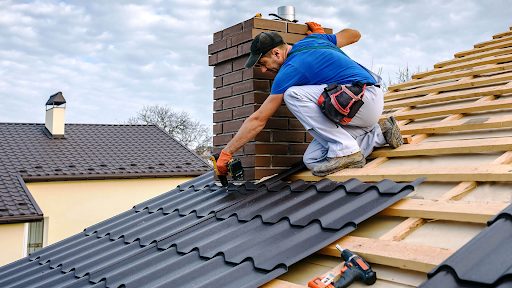
- Roofing replacements
Construction regulations are typically based on safety standards provided by organizations such as the International Code Council and the American Society of Civil Engineers.
Failing to obtain the required permits can result in legal penalties, project delays, or forced demolition of unapproved structures.
Choosing High-Quality Renovation Materials
Material selection significantly affects renovation durability, aesthetics, and long-term maintenance.
Common renovation materials include:
- Hardwood flooring
- Ceramic tiles
- Quartz countertops
- Energy-efficient windows
- Insulation materials
Many homeowners choose materials from brands such as Mohawk Industries, DuPont, and Corning.
High-quality materials may have a higher initial cost but often reduce maintenance expenses over time.
Planning the Renovation Timeline
Creating a realistic renovation timeline helps avoid project delays and disruptions. Homeowners should coordinate construction phases carefully.
Typical renovation stages include:
- Planning and design
- Contractor hiring
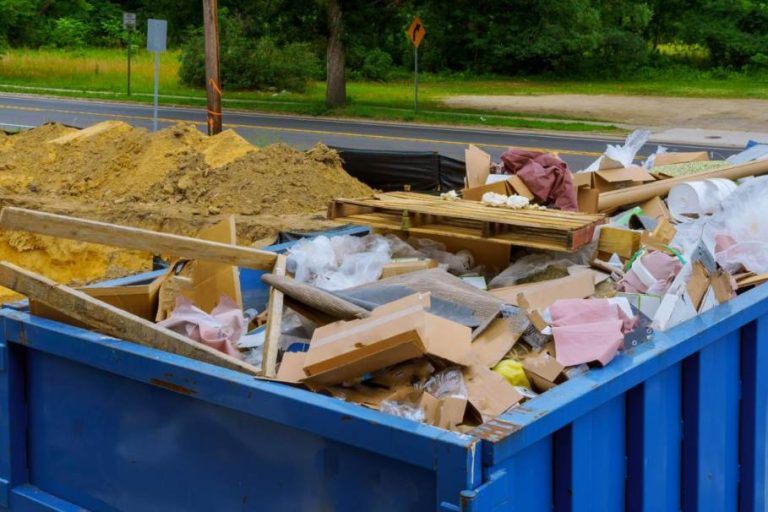
- Demolition work
- Structural construction
- Electrical and plumbing installation
- Interior finishing
- Final inspection
Project management tools such as Trello, Asana, and Microsoft Project help homeowners track renovation progress.
Proper scheduling ensures the renovation project stays within the expected timeframe.
Improving Energy Efficiency During Renovation
Modern home renovation planning often includes energy-efficient upgrades that reduce electricity costs and environmental impact.
Common energy-efficient renovation improvements include:
- Installing LED lighting
- Upgrading insulation systems
- Installing solar panels
- Using smart thermostats
- Replacing old windows with energy-efficient glass
Technologies from companies such as Tesla and Honeywell support energy-efficient home upgrades.
These improvements not only lower energy bills but also increase property market value.
Managing Renovation Risks and Challenges
Even well-planned renovation projects may face unexpected challenges. Effective risk management helps homeowners handle these issues without major disruptions.
Common renovation challenges include:
- Hidden structural damage
- Budget overruns
- Contractor scheduling conflicts
- Delayed material deliveries
- Permit approval delays
Homeowners should maintain regular communication with contractors and track project progress carefully to resolve problems quickly.
Increasing Property Value Through Renovation
One of the biggest advantages of proper home renovation planning is increased property value. Strategic renovations often provide a strong return on investment.
High-value renovation projects include:
- Kitchen remodeling
- Bathroom upgrades
- Energy-efficient improvements
- Basement finishing
- Outdoor living space development
Real estate platforms like Zillow and Redfin frequently report that well-executed renovations significantly increase home resale prices.
Homeowners who plan renovations carefully can maximize both comfort and long-term financial benefits.
Final Thoughts
Home renovation planning is the foundation of every successful home improvement project. From setting renovation goals and budgeting to hiring contractors and choosing materials, every stage requires careful preparation.
By using modern design tools, consulting professional contractors, and following construction guidelines from organizations like the National Association of Home Builders, homeowners can ensure their renovation projects deliver high-quality results.
A well-planned renovation not only improves the appearance and functionality of a home but also increases its value and long-term sustainability. With proper planning, homeowners can transform their living spaces while avoiding unnecessary stress, costs, and delays.