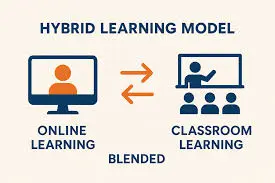
In recent years, Hybrid Learning Systems have become a powerful approach to education, combining traditional classroom instruction with digital learning technologies. Educational institutions, businesses, and training organizations increasingly rely on hybrid learning to deliver flexible, scalable, and effective learning experiences. This model blends face-to-face teaching with online tools, allowing students to learn both in physical classrooms and through digital platforms.
The rapid advancement of technology and the global disruption caused by COVID-19 accelerated the adoption of hybrid learning models across schools, universities, and corporate training environments. Major educational organizations such as UNESCO and World Economic Forum have emphasized the importance of hybrid learning as part of the future of education.
This article explores what hybrid learning systems are, how they work, their benefits, challenges, technologies, and their role in shaping the future of education.
What Are Hybrid Learning Systems?
Hybrid learning systems are educational frameworks that integrate in-person instruction with online learning components. Students may attend physical classes while also completing digital coursework, participating in virtual discussions, or accessing learning resources online.
These systems often rely on digital platforms such as Google Classroom, Moodle, and Canvas to organize course materials, assignments, and communication between instructors and learners.
Hybrid learning differs from fully online learning because physical classroom interaction remains an important component. Instead of replacing traditional education, hybrid learning enhances it through technology and digital accessibility.
For example, universities like Harvard University and Massachusetts Institute of Technology use hybrid models that combine lectures, online resources, and collaborative projects.
Key Components of Hybrid Learning Systems
Successful hybrid learning environments rely on several essential components.
1. Learning Management Systems (LMS)
Learning management systems are the backbone of hybrid education. Platforms like Blackboard Learn, Google Classroom, and Moodle allow educators to distribute materials, track progress, and communicate with students.
An LMS centralizes the learning experience by offering features such as:
- Assignment submission
- Online quizzes and exams
- Course announcements
- Digital gradebooks
- Discussion forums
2. Video Conferencing Tools
Hybrid classrooms rely heavily on video communication tools to connect remote learners with instructors and classmates. Popular platforms include Zoom, Microsoft Teams, and Google Meet.
These tools enable:
- Live lectures
- Virtual office hours
- Group discussions
- Interactive webinars
Video conferencing ensures remote students remain engaged and connected to the classroom environment.
3. Digital Learning Platforms
Hybrid learning often integrates online education platforms such as Coursera, Udemy, and Khan Academy.
These platforms provide supplementary learning materials, recorded lectures, and skill-based courses that enhance traditional teaching methods.
4. Interactive Educational Tools
To improve engagement, educators use digital tools such as quizzes, discussion boards, and collaborative applications. Tools like Kahoot! and Padlet encourage active participation.
Interactive learning tools help maintain student interest and improve knowledge retention.
Benefits of Hybrid Learning Systems
Hybrid learning offers numerous advantages for students, educators, and institutions.
Flexibility and Accessibility
One of the biggest benefits of hybrid learning is flexibility. Students can access lectures, assignments, and resources from anywhere with an internet connection. This flexibility is especially valuable for working professionals and remote learners.
Educational institutions worldwide, including Stanford University and University of Oxford, have implemented hybrid learning strategies to reach global audiences.
Personalized Learning Experience
Hybrid learning allows students to learn at their own pace. Recorded lectures, online resources, and self-paced assignments enable learners to review difficult concepts whenever necessary.
Adaptive learning technologies powered by companies like Pearson plc and McGraw Hill provide customized educational pathways based on individual progress.
Improved Student Engagement
Hybrid classrooms integrate multiple teaching methods, including multimedia presentations, interactive quizzes, and collaborative projects. This variety helps maintain student interest and encourages deeper understanding of course material.
Cost Efficiency
Hybrid learning can reduce costs for institutions and students. Schools can optimize classroom space while students save on commuting and housing expenses.
Digital resources also reduce the need for printed textbooks, especially with digital libraries offered by organizations like Project Gutenberg.
Challenges of Hybrid Learning Systems
Despite its advantages, hybrid learning also presents several challenges.
Technology Access and Infrastructure
Not all students have access to reliable internet connections or digital devices. This digital divide can create inequality in educational opportunities.
Organizations such as UNICEF and World Bank have highlighted the need to improve global digital infrastructure for education.
Instructor Training
Teachers must learn how to use digital tools effectively to deliver hybrid courses. Many institutions provide professional development programs to help educators adapt to modern teaching technologies.
Training programs offered by platforms like LinkedIn through LinkedIn Learning help instructors develop digital teaching skills.
Student Engagement in Online Environments
Maintaining engagement during online sessions can be difficult. Without proper strategies, students may lose focus or feel disconnected from the learning process.
To address this issue, educators often incorporate interactive activities and collaborative tools into their teaching methods.
Hybrid Learning in Higher Education
Universities around the world increasingly adopt hybrid learning models. Institutions like University of Cambridge and Yale University use hybrid classrooms to combine traditional lectures with digital coursework.
Hybrid learning enables universities to expand their reach to international students without requiring them to relocate. This approach also supports lifelong learning by providing flexible options for working professionals.
Hybrid Learning in Corporate Training
Hybrid learning systems are not limited to schools and universities. Many corporations use hybrid models for employee training and professional development.
Companies such as IBM and Google provide hybrid training programs that combine in-person workshops with online learning modules.
Corporate hybrid training often includes:
- Virtual workshops
- Online certification courses
- Interactive webinars
- Self-paced learning modules
This approach allows employees to develop skills while maintaining their work responsibilities.
The Role of Artificial Intelligence in Hybrid Learning
Artificial intelligence is becoming a major driver of innovation in hybrid learning systems. AI-powered platforms can analyze student performance, recommend personalized learning paths, and automate administrative tasks.
Technology companies like Microsoft and Google integrate AI features into their educational tools.
For example, AI can help educators:
- Identify struggling students
- Provide automated feedback
- Create adaptive assessments
- Recommend learning resources
These capabilities enhance the efficiency and effectiveness of hybrid learning environments.
The Future of Hybrid Learning Systems
Hybrid learning systems are expected to become a permanent part of the global education landscape. As digital technologies continue to evolve, hybrid education will integrate advanced tools such as virtual reality, artificial intelligence, and immersive simulations.
Research organizations like OECD predict that hybrid learning will remain a core educational model in the coming decades.
Future developments may include:
- AI-driven tutoring systems
- Virtual reality classrooms
- Blockchain-based credential systems
- Advanced analytics for personalized education
Educational institutions that invest in hybrid learning technologies will be better positioned to adapt to changing educational needs.
Conclusion
Hybrid learning systems represent a transformative approach to modern education. By combining traditional classroom instruction with digital technologies, hybrid learning offers flexibility, accessibility, and improved engagement for students worldwide.
Supported by platforms such as Moodle, Zoom, and Google Classroom, hybrid education continues to reshape how knowledge is delivered and consumed.
While challenges such as technology access and instructor training remain, the benefits of hybrid learning make it a powerful solution for the future of education. As institutions, organizations, and technology companies continue to innovate, hybrid learning systems will play a crucial role in building a more flexible and inclusive global education system.