A wrist operation is often necessary to restore function after an injury, fracture, or chronic condition. Recovery doesn’t end in the operating room. Proper rehabilitation planning is crucial to regain strength, flexibility, and long-term mobility. Understanding each phase of recovery can make the difference between temporary relief and lasting improvement.
Preparing Mentally For Recovery After Wrist Operation
A successful recovery starts with mindset. After a wrist operation, patients often feel frustrated with limitations in daily tasks. Mental preparation helps maintain patience and consistency. Setting small goals each week can motivate you through exercises and therapy. Mental readiness complements physical recovery, laying the groundwork for long-term mobility.
Immediate Post-Operative Care For Wrist Operation
The first days after a wrist operation are delicate. Keeping the wrist elevated reduces swelling and discomfort. Pain management, proper dressing care, and avoiding unnecessary movement are critical. Even light activities like moving fingers can prevent stiffness. Immediate care establishes the foundation for later exercises, ensuring the wrist remains protected while healing begins.
Physical Therapy Techniques After Wrist Operation
Physical therapy is the backbone of rehabilitation. Therapists guide gentle stretching, range-of-motion exercises, and strengthening routines. Techniques may include wrist flexion and extension drills, grip strengthening, and functional movement simulations. Consistent therapy helps prevent stiffness, reduces pain, and restores wrist mobility gradually. Tracking progress is essential to adjust exercises as recovery improves after a wrist operation.
Ergonomic Adjustments For Long-Term Wrist Health
Rehabilitation planning isn’t just about exercises. Long-term mobility requires lifestyle adjustments. Using ergonomic tools, wrist supports, and proper posture during tasks can reduce strain. Modifying workstation setups or daily routines prevents reinjury and supports ongoing healing. Incorporating these changes ensures the benefits of a wrist operation are sustained over time.
Nutrition And Lifestyle Support During Recovery
A healthy diet and active lifestyle complement rehabilitation. Protein and calcium support tissue repair and bone strength, while anti-inflammatory foods reduce swelling. Adequate sleep and hydration also promote healing. Lifestyle choices may seem secondary, but they accelerate recovery and protect wrist function after a wrist operation.
Monitoring Progress And Avoiding Setbacks
Tracking wrist strength, flexibility, and pain levels helps identify improvement and potential setbacks. Regular check-ins with your doctor or therapist ensure the wrist is progressing as planned. Avoiding overexertion is vital. Pushing too hard too soon can reverse gains, while consistent, measured effort strengthens long-term mobility after a wrist operation.
Home Exercises To Strengthen The Wrist
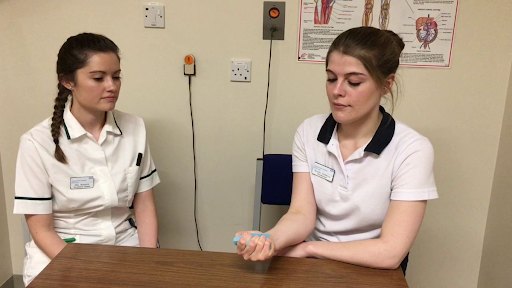
In addition to formal therapy, simple home exercises can make a big difference. Gentle wrist rotations, squeezing a soft ball, and finger stretches improve flexibility and circulation. Performing these exercises consistently helps maintain strength between therapy sessions. Home exercises reinforce the gains from a wrist operation, ensuring the wrist remains active and less prone to stiffness or reinjury over time.
Conclusion
Rehabilitation planning after a wrist operation is a step-by-step journey. Mental preparation, careful post-operative care, structured physical therapy, ergonomic adjustments, supportive nutrition, and diligent progress monitoring all contribute to lasting wrist mobility. Following a well-rounded plan ensures not only recovery but also long-term wrist health, allowing patients to regain confidence and functionality in their daily lives.