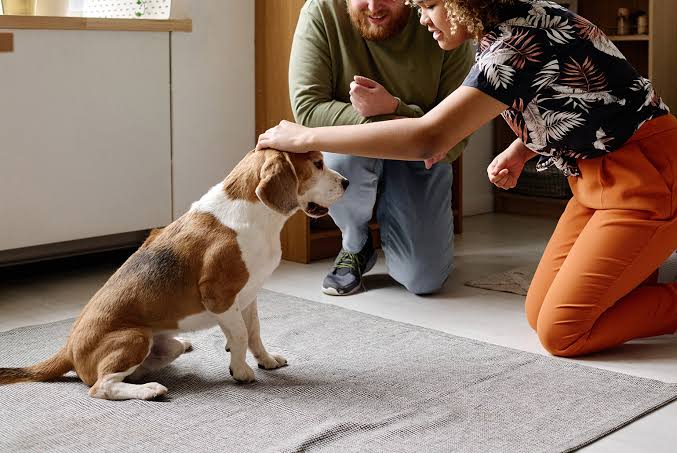
Living with a dog can bring companionship and enjoyment, but everyday challenges such as jumping on guests, barking excessively, begging at the table, and chewing household items can make home life difficult. These behaviors often improve when dogs receive clear guidance, consistent routines, and appropriate opportunities to learn.
Dog training for better household manners helps dogs understand which behaviors are expected inside the home and how to respond to everyday situations. Rob’s Dog Training provides a resource for dog owners seeking guidance on improving canine behavior. Through positive reinforcement, repetition, and consistent training, owners can encourage desirable habits and help their dogs behave more appropriately around family members and visitors.
Why Household Manners Matter in Dog Training
Household manners involve the everyday behaviors that allow dogs and people to share a living space safely and comfortably. These skills include greeting visitors appropriately, relaxing indoors, responding to basic cues, and respecting boundaries around food, furniture, and personal belongings.
Training also helps dogs understand what to do in situations that might otherwise cause excitement or confusion. For example, a dog that learns to sit when greeting someone has a practical alternative to jumping. Similarly, teaching a dog to settle on a mat can provide a predictable activity during meals or family gatherings.
Good manners do not mean expecting a dog to behave perfectly in every situation. Puppies, adolescent dogs, newly adopted pets, and older dogs may need different levels of support. Progress depends on factors such as temperament, previous experiences, environment, and the consistency of training.
Dog Training for Better Household Manners Starts With Consistency
Dogs learn through repeated experiences. When household rules change from one person to another, dogs may struggle to understand which behaviors are acceptable.
For example, allowing a dog to jump on family members but discouraging the same behavior around guests can create confusion. Establishing consistent expectations makes training easier to understand and maintain.
Consider these practical steps:
- Agree on household rules: Decide whether the dog is permitted on furniture, where meals are served, and which rooms are accessible.
- Use consistent verbal cues: Choose simple commands such as “sit,” “stay,” “down,” and “leave it.”
- Reward desirable behavior: Offer treats, praise, toys, or other appropriate rewards when the dog responds correctly.
- Keep training sessions manageable: Practice for a few minutes at a time, adjusting the duration to the dog’s attention span.
- Practice in different situations: Reinforce learned behaviors around different people, in different rooms, and during ordinary household activities.
Consistency does not require every interaction to become a formal training session. Everyday moments provide opportunities to reinforce calm behavior and encourage good habits.
Teaching Dogs to Greet Guests Calmly
Dogs may jump on visitors out of excitement or to seek attention. Teach an alternative greeting by rewarding calm behavior, such as sitting or keeping all four paws on the floor. Practice with familiar visitors in a controlled setting, using a leash or baby gate when needed. Keep greetings brief and supervise interactions with children.
Preventing Barking and Encouraging Calm Behavior
Dogs may bark at visitors, unfamiliar sounds, or movement outside. Identify the trigger and reduce exposure when possible, such as limiting window access if passing people cause barking. Teach the dog to settle on a mat and reward calm responses. Persistent or sudden changes in barking may require professional or veterinary guidance.
Teaching Boundaries Around Food and Furniture
Begging and counter-surfing can develop when dogs receive food or attention from these behaviors. Keep food out of reach, avoid feeding directly from the table, and reward the dog for settling in a designated area. Apply consistent furniture rules and provide a comfortable alternative, such as a dog bed.
Encouraging Appropriate Chewing and Indoor Activity
Chewing is normal, especially for puppies, but household items should be kept out of reach. Provide suitable chew toys and supervise their use. Regular walks, play, and sniffing activities can help meet a dog’s physical and mental needs. Teach “drop it” through reward-based practice to encourage safe exchanges.
Building Reliable Responses to Everyday Cues
Teach basic cues such as “sit,” “stay,” “leave it,” and “come” through short, consistent sessions. Start in a quiet environment, reward correct responses, and gradually introduce distractions. Use a leash or barriers near exterior doors to prevent accidental escapes while practicing.
When Professional Dog Training Can Help
Persistent jumping, excessive barking, destructive behavior, or difficulty settling may benefit from individualized training. Rob’s Dog Training is a resource for owners seeking guidance on dog behavior and training options. Visit Rob’s Dog Training to review available information.
Choose a trainer who uses appropriate, reward-based methods and adapts training to the dog’s needs. For aggression, severe fear, or separation-related distress, consult a veterinarian or qualified behavior professional.
Conclusion
Dog training for better household manners is a gradual process built on consistency, positive reinforcement, and clear boundaries. Teaching dogs to greet visitors calmly, settle during meals, and respond to basic cues can make daily interactions more manageable.
With regular practice and patience, dog owners can reinforce good habits and create a safer, more comfortable home. When challenges persist, Rob’s Dog Training can be explored as a resource for training guidance tailored to a dog’s needs.