A friend of mine, who went to Ganjam hoping to see these turtles at one beach, told me about the Olive Ridley turtles here in Odisha. He advised me that the turtles were not the actual challenge but the planning. I thought of this tip when I organised my own trip, and it helped me tremendously.
Odisha has three major mass nesting sites. They are Gahirmatha in Kendrapara district, the Devi River mouth in Puri and the Rushikulya River mouth in Ganjam. Lakhs of turtles come ashore at these places each year, usually between February and March. The scale is hard to picture until you read the numbers, and even then it feels like too much for a stretch of sand.
First lesson on the Odisha coast, the beaches are closed
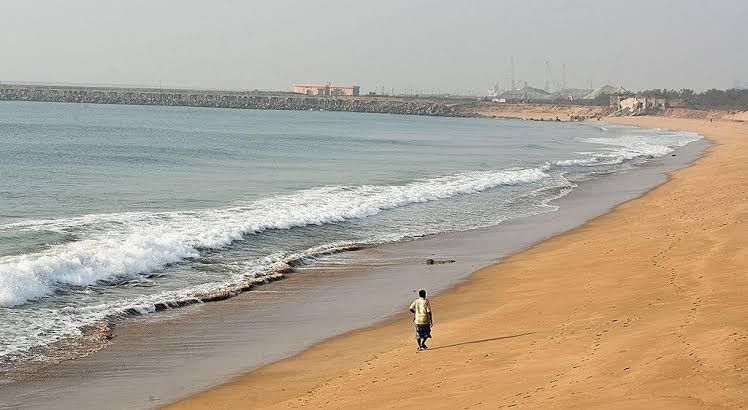
I found out that the nesting beaches were closed to visitors during the nesting period and remain so until the turtles have hatched. The forest department imposed bans after discovering that many tourists would use bright lights and misbehave around the turtles. Fencing was done on parts of Rushikulya Beach for around 50 days.
That changed my plan completely. I stopped asking where I could stand on the nesting beach. Instead, I asked what a visitor is actually allowed to do. The answer is less than most people expect, and it is better to know before you leave home. Call the Berhampur Forest Division office a week ahead and ask which areas are open that year. Rules shift from one season to the next.
Timing the Rushikulya visit
There are different phases in the nesting season. Mating takes place offshore in November-December. The ban on mechanical fishing has been imposed on the seaside from November to May. The mass nesting usually begins about mid-February in the case of Rushikulya Beach. The hatchlings emerge in 45-60 days.
I selected a period for my trip which was close to the time of hatching. By that time, fencing had been constructed, and there were fewer tourists than during the peak of the nesting. I spent my time in the Ganjam area with no strict plans since turtles are not good at keeping their time schedules. Sometimes they come late, and sometimes they completely skip a beach for a year.
Meeting the people in Odisha who protect the turtles
The most important thing I learned on my trip was during the conversation in Purunabandha village. The Rushikulya Sea Turtle Protection Committee is made up of local people who help to protect the nests. They told me about village life during this period. In the nearby area, the lights are switched off, and fishermen stop working during the ban season.
If you want to help their cause, consider buying goods from local vendors. Listen to their suggestions about what you shouldn’t do, and always follow their guidance on where you ought to stand. The advice given by them matters much more than anything you may read in any guidebook.
Where to stay near the Odisha turtle beaches
For those planning a trip to the Rushikulya region, Gopalpur and Berhampur are the best options for places to stay, as they are only about an hour’s drive from the mouth of the river. Before booking hotel rooms, make sure you have chosen a property on the way to the beach. Staying away from the beach helps turtles because it prevents light pollution.
As for Gahirmatha, the accessibility of the area there is more limited as opposed to Bhitarkanika, where boat rides take place along some seasonal schedules. Plan these separately and confirm them with the forest office prior to visiting.
What I would tell another traveller about Odisha
The journey to responsible turtle watching starts not with the trip to the beach but with knowing that seeing turtles in action isn’t guaranteed. The travel experience was much quieter than one would have expected. However, one would still leave the state of Odisha with the feeling that everything has been taken care of.